
Managing Your Multi-Chain Digital Wealth and Checking Validation Parameters from a Centralized Platform Interface
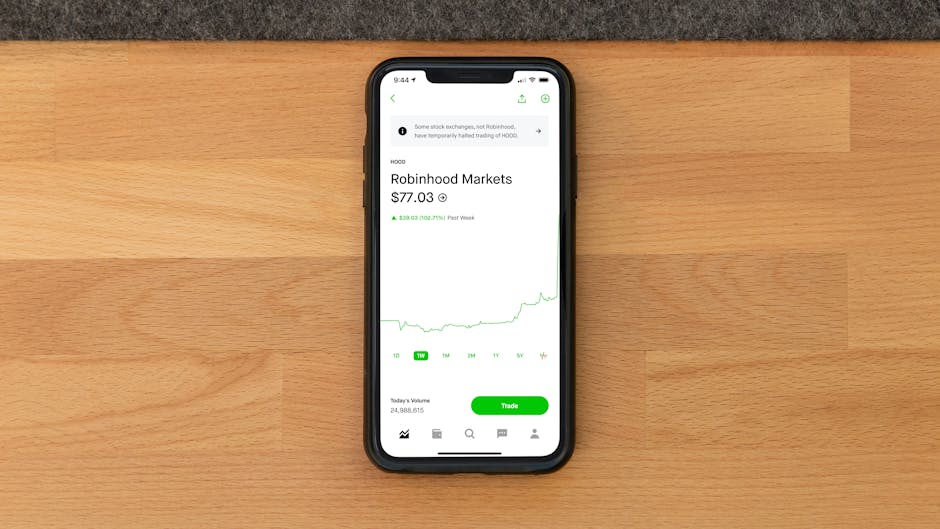
Centralized Dashboards for Multi-Chain Control
Managing digital wealth across multiple blockchains-Ethereum, Solana, Polygon, or BNB Chain-traditionally requires switching between wallets and explorers. A centralized digital asset platform solves this by aggregating balances, transaction history, and staking positions into one interface. This eliminates the friction of manual cross-referencing and reduces the risk of typos or missed transactions. Instead of juggling seed phrases for each chain, you authenticate once and gain a unified view of your portfolio, from ERC-20 tokens to BEP-20 assets.
The core advantage is time efficiency. A single dashboard shows real-time USD value across chains, pending transfers, and gas fee estimates. You can also filter by blockchain to isolate specific holdings. For active traders or DeFi participants, this means faster decision-making without context switching. The platform handles the underlying RPC calls, so you don’t need to understand each chain’s node structure.
How Validation Parameters Are Displayed
Validation parameters-transaction confirmations, block finality, and network status-are critical for security. On a centralized platform, these are surfaced as clear status indicators. For example, after sending USDC on Polygon, the interface shows “12/128 confirmations” with a progress bar. Clicking the status expands details: block height, validator count, and estimated finality time. This transparency lets you verify that a transaction is irreversible before releasing goods or updating records.
For staking or delegation, validation parameters include validator uptime, commission rate, and slashing history. The platform fetches this from on-chain data and presents it as a risk score. You can compare validators side-by-side without leaving the dashboard. This is especially useful on proof-of-stake chains like Solana or Cosmos, where validator performance directly impacts your yield.
Practical Workflow: Checking and Acting on Validation Data
Start by opening the “Portfolio” tab on the platform. Each asset is tagged with its native chain and current confirmation status. If you initiated a transfer, the system highlights it in yellow until the required confirmations are met. Once validated, the status turns green. You can set custom thresholds-for example, require 64 confirmations for high-value Ethereum transactions-and receive push notifications when they are reached.
Another key feature is the “Transaction Inspector.” Paste a transaction hash, and the platform decodes the raw data: input data, gas used, and event logs. It checks the hash against multiple chain explorers simultaneously and flags anomalies like unexpected contract interactions or failed internal calls. This is invaluable for auditing suspicious activity or confirming that a smart contract executed as intended.
For portfolio rebalancing, validation parameters help you time operations. If a chain is congested (high gas, low finality), the platform warns you. You can delay swaps or cross-chain bridges until conditions improve. This prevents costly errors like sending tokens during a network upgrade or when validators are offline.
Security Considerations and Best Practices
While a centralized interface simplifies multi-chain management, you must verify that the platform itself is secure. Check for two-factor authentication (2FA), withdrawal whitelists, and API key permissions. The platform should never store your private keys; instead, it uses read-only API access or hardware wallet integration. Always confirm that validation parameters displayed match what you see on a block explorer like Etherscan. Discrepancies may indicate a compromised interface.
Regularly review the platform’s “Address Book” to ensure cross-chain addresses are correct. A single typo in a recipient address can result in permanent loss. Use the validation feature that compares the checksum of the address you typed against the standard format for that chain. If the platform detects a mismatch, it blocks the transaction until you confirm manually. This simple check prevents many user errors.
FAQ:
How does a centralized platform track multiple blockchains simultaneously?
It connects to each chain’s public RPC nodes or APIs, aggregates data, and normalizes it into a single database. You see a unified view without managing separate wallets.
Can I validate a transaction’s finality directly from the platform?
Yes. The interface shows live confirmation counts and finality status for each transaction. You can click into details to see block height and validator signatures.
What happens if a validation parameter shows an error?
The platform flags it in red and may suggest corrective actions, such as re-broadcasting the transaction or contacting support. It also provides a direct link to the chain explorer for manual verification.
Does the platform support cross-chain swaps with validation checks?
Yes. It validates the bridge contract, checks liquidity pools, and simulates the swap before execution. You see expected output, fees, and finality on both chains.
Reviews
Alex K.
“I manage assets on five chains. This platform saved me hours per week. The validation indicators are clear, and I finally stopped worrying about missed confirmations.”
Maria S.
“The transaction inspector caught a failed swap I would have missed. It decoded the error and suggested a fix. Very practical for daily DeFi use.”
John D.
“Setting custom confirmation thresholds for high-value transfers gave me peace of mind. The push notifications work perfectly on mobile.”